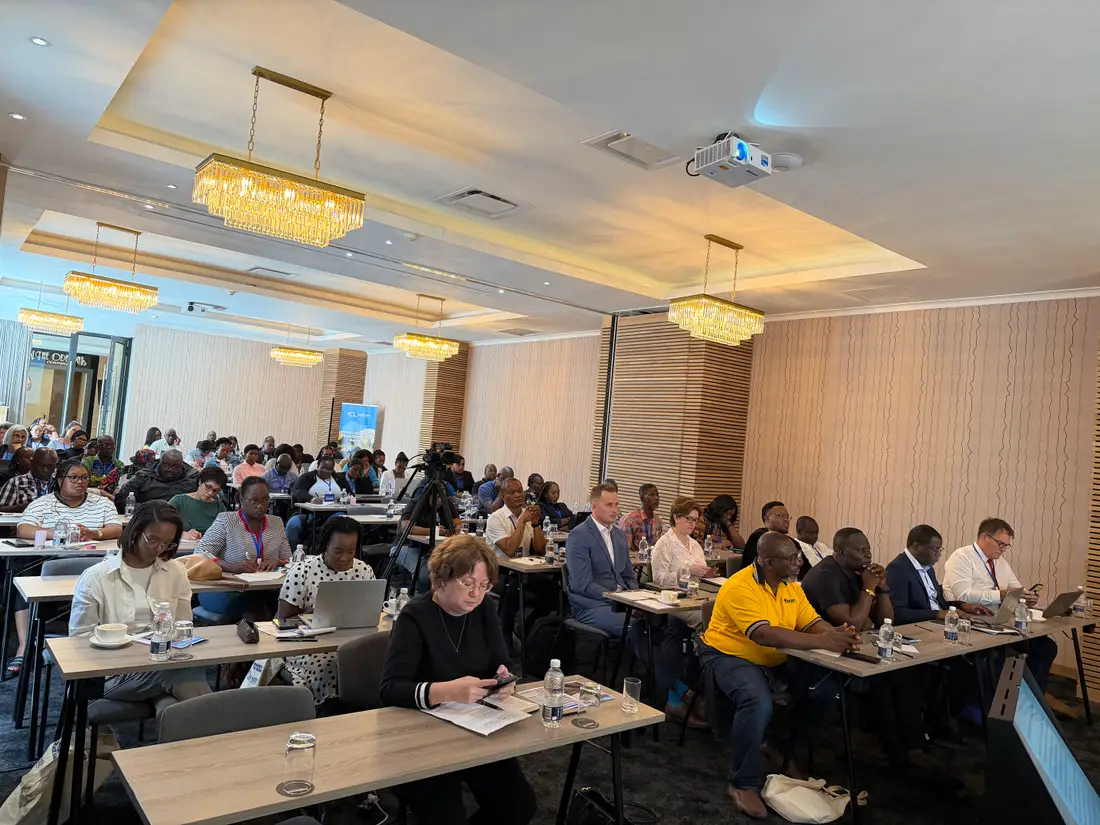
If your event agenda has four keynotes before lunch, you are not running a convening — you are running a broadcast. The corporates extracting genuine value from their gatherings have abandoned the conference format entirely, and their attendees are paying attention.
The default corporate event format is so entrenched that most senior leaders no longer notice how poorly it serves them. A 50-person off-site opens with a CEO address. Three keynotes follow, separated by 10-minute coffee breaks too short to have a real conversation and too long to maintain energy. A panel of five with a moderator who reads pre-submitted questions. Lunch. Two more panels. A sundowner where everyone is too tired to network. Dinner with a guest speaker. A morning of breakouts that nobody prepared for. A closing keynote.
The format is industrial-era broadcast architecture grafted onto a context — senior peers gathered in expensive proximity — that demands its opposite. The attendee gives up two days of executive time and gets, on a generous accounting, three useful conversations and one useful idea. The CFO who signed off on the budget would not approve any other line item with that conversion rate.
What format innovators have figured out.
The convening designers extracting genuine engagement — from the smaller invite-only summits run by African private equity firms to the working sessions hosted by groups like the Africa CEO Forum — share a set of design principles that look unconventional only because the default is so degraded.
- Curated 1:1s as the spine of the agenda, not the gap between sessions. Twenty 25-minute pre-matched conversations across two days will outperform any keynote schedule ever assembled.
- Working tracks instead of panels: 12 to 15 people in a room with a real problem, a facilitator who has prepared, and a deliverable by the end of the session.
- Structured silence: 30-minute reading or reflection blocks built into the agenda, treated as legitimate work, not airport time.
- Chatham House by default for the substantive sessions, with the unwritten rule that what gets said gets said honestly because nothing gets attributed.
- Radical curation: 40 to 60 people who genuinely want to be in the same room, not 300 who were invited because the venue was paid for.
- One headline plenary maximum, treated as the punctuation, not the spine.
The anti-patterns to retire.
If event design were medicine, several common practices would be malpractice. The four-keynote morning treats expensive senior attention as a captive audience — it is not, and the resentment compounds. The five-person panel guarantees that nobody says anything sharp, because the moderator must protect every panellist's time. The 10-minute coffee break is too short for a substantive exchange and signals that the organiser does not respect the value of the conversations they invited people to have. The networking app that nobody opens twice. The gift bag that nobody wants.
“We removed every panel from the agenda last year. Attendance went up. NPS doubled. Nobody asked for the panels back.”
Designing for the conversation, not the run-of-show.
The shift in mindset is from production to facilitation. The organiser's job is not to fill 16 hours with content. It is to engineer the conditions under which 50 senior people will have the conversations they could not have had in any other room. That means asking, of every agenda item: what conversation will this enable, and could a better-designed format enable a sharper one?
The most underrated investment is in pre-event preparation. A 20-minute briefing call with each attendee a week before the convening — capturing what they want from the gathering, who they need to meet, and what they are willing to share — does more for engagement than any on-site experience. It also gives the design team the raw material to construct the curated 1:1s, the working-track groupings, and the dinner seating that makes the difference between a forgettable two days and a relationship-defining one.
The takeaway.
Senior attendees do not need more keynotes. They have read the McKinsey report. They have heard the CEO speech. What they cannot get elsewhere — and what they will travel for — is a structured environment in which to have the conversation, with the right peer, that they could not have had on a Zoom call. Design for that, and the engagement metrics fix themselves. Design for the run-of-show document, and you will keep producing events that look impressive on paper and disappoint in the room.
Written by
Nadia El-Amrani
Head of Convening Design, AfriCap Hub